
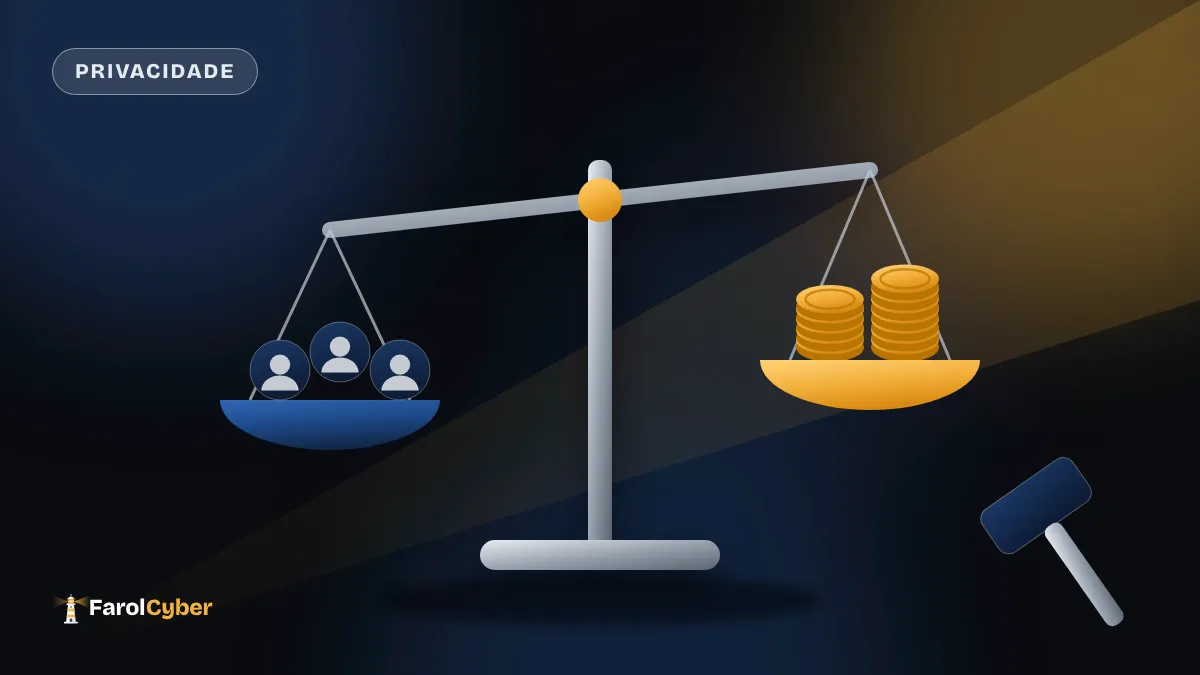
Eight years after the Cambridge Analytica scandal broke, a court in the US state of New Mexico has sent the bill: Meta, the owner of Facebook, must pay $25 billion for misleading users about what it did with their data. The company has already said it will appeal.
The ruling
According to The Record, the decision was released on October 21, 2026 by Judge Francis Mathew. The state first sought $220 billion, and the judge cut it to $25 billion, with 15% annual interest until paid. In September, a jury found that Meta violated the state’s unfair practices law 43 million times, with penalties of up to $5,000 per violation.
The violations relate to Facebook sharing data of up to 87 million users with Cambridge Analytica, which used it to build psychological profiles of voters and target advertising, including in the 2016 US presidential election. A whistleblower made the case public in 2018.
What the court pointed to
The case focused on what Facebook told consumers about its data practices and how the company handled misinformation and hate speech after the scandal. The judge said senior leadership, including Mark Zuckerberg and then-COO Sheryl Sandberg, pursued a strategy to mislead consumers. The judge also said the “comprehensive” probe the company promised was “willfully ineffective” and that it could not verify user data controls.
What Meta says
Chief Legal Officer C.J. Mahoney said the ruling makes it “all but impossible to do business” in New Mexico and that the lawsuit “seeks to impose a tax on speech.” The company will appeal. The case is part of a series: in March the state won $375 million from Meta in a separate child safety case, and in 2022 the company settled a Cambridge Analytica class action for $725 million.
What changes for users
The report does not say whether affected users will receive any payment. The practical message is different: the case is a reminder that what a social network promises about privacy can be enforced in court, and that data handed to an app can end up where you never imagined. For now the ruling applies to New Mexico and can still be appealed.
How to protect yourself
- Review what Facebook shares. In Settings, go to Apps and websites and remove the ones you no longer use.
- Avoid “log in with Facebook” on services you do not know well. Signing up with email and a password gives third parties less access.
- Be wary of quizzes and tests that ask for access to your profile. Granting access means handing your data to a third party.
- Post less. Data that is not there cannot leak.
- Run Facebook’s privacy check to see who can view your posts.